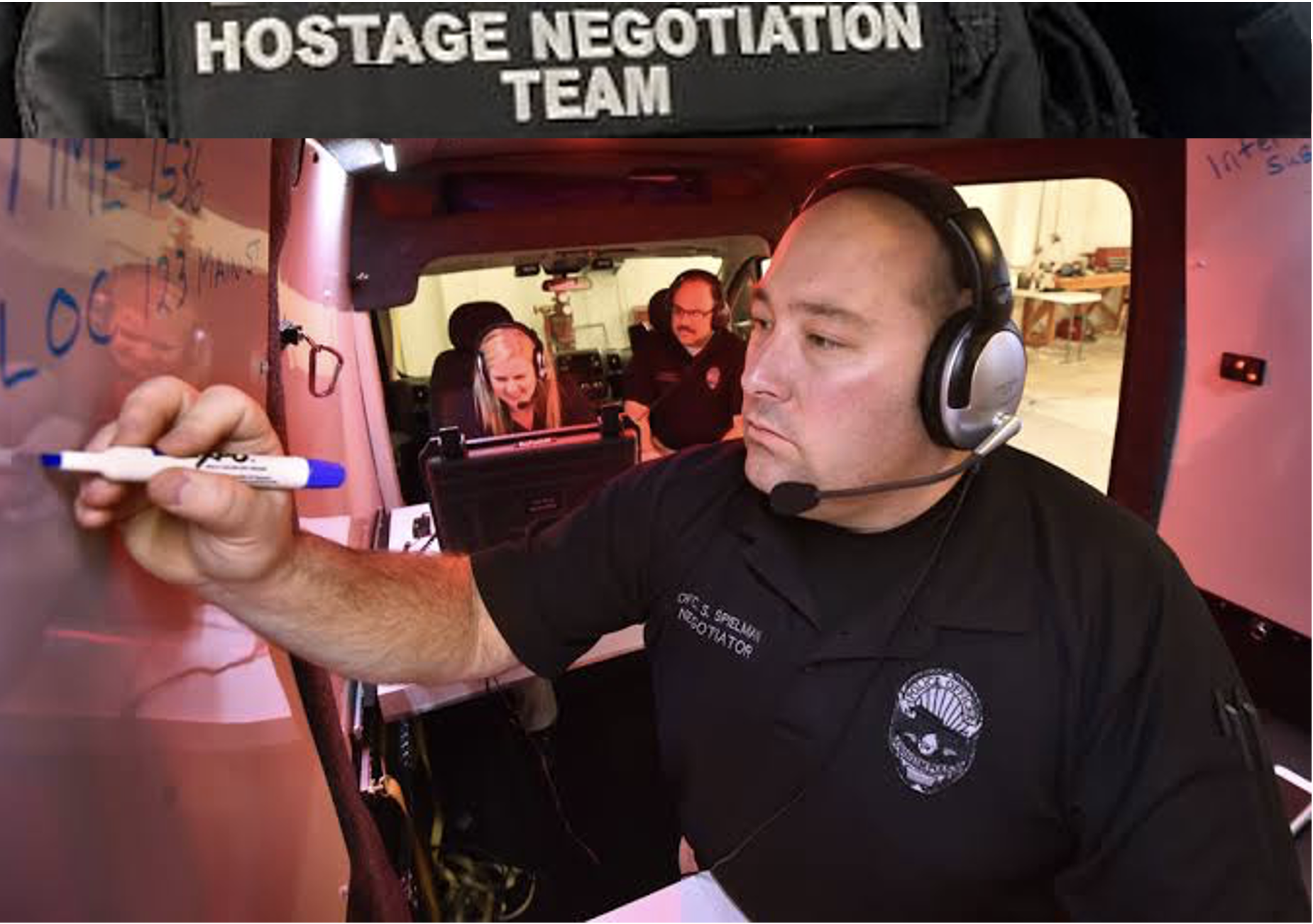
Hostage Negotiation School
The Hostage Negotiation School aims to train experts able to handle strategic situations involving hostages, both in extortion and in terrorist situations and in any situation where hostages are taken, even temporarily, as in cases of brief kidnapping targeting bank and post office managers. Matters concerning hostage-taking inside prisons are also addressed.
This is the only Hostage Negotiation School in Italy and one of the few in Europe. École Universitaire Internationale is the training institute that obtained the highest score in Europe for the training of Police and Intelligence negotiators. Read more
The programme, at international level, gives a broad view of how such situations should be handled, so as to build and/or widen the knowledge and the techniques of those who have to manage kidnapping events in these operational theatres. Being able to handle kidnappings, which have increased considerably in recent years, is more and more important.
The programme of studies examines in depth the new internationally recognised negotiation method and the new techniques developed; the new method rests on a neuroscientific approach and covers all the innovative techniques concerning human behaviour and the modification of human behaviour, in particular in crisis and high-risk situations, and the working of the human brain.
In the most recent NATO and UN international guidance, very great importance is given to negotiation as the key element, before moving on to the use of force in the cases described. There is a shortage of specialists in this field. The course sets out to train these particularly important figures within the Police, the Army, security and Intelligence bodies, public and private companies and NGOs, both in operational management and in the risk prevention stages.
New negotiation techniques and unconventional methods will be taught alongside the recognised international rules of hostage negotiation. It is also particularly suitable for individuals, organisations or public and private companies that may be at risk of kidnapping.
The programme of studies is intended for civilian personnel, serving civilian and military personnel belonging to the Public Administration (Law Enforcement, Armed Forces, etc…), experts, as well as university students, graduates and researchers who wish to deepen their studies in the field and/or to take up a career in it.
Start date: October 2026 – End: April 2027 [enrolment open from 1 February 2026]
The Hostage Negotiation School lasts one academic year in total for the teaching part.
Method: online lectures and lectures in the classroom
Admission: subject to assessment of the candidate’s C.V. (and a possible online interview)
Teaching areas and subjects:
Hostage negotiation: methods and techniques
- Negotiation: models and development
- Negotiation Models
- The new PENS Model
- The birth of operational negotiation: the origins
- Negotiation: the types
- The figures involved in a kidnapping
- Types of kidnapping
- Scenario and context
- Terrorism and Counterterrorism
- Unconventional negotiation techniques
- Managing events
- Hostage negotiation in complex theatres
- Hostage negotiation in criminal settings
- Hostage negotiation in urban settings
- Negotiation with people with psychological disorders and people with psychiatric disorders
- Negotiation in prisons and penal institutions
Applied methods and techniques: strategic communication
- Strategic communication
- Persuasive communication techniques
- Modulation practices
- Support techniques
- The art of dominance
- Mental manipulation techniques
- Hostage dynamics
- Behavioural aspects of hostage-taking
- The influence of chemical substances
- Dynamic classification of motivation
- Resolution
- Language
- The role of the female Figure
- Communication in crises and emergencies
- Applied strategic communication
- Basics of Psyops – Operational psychology
- Media management
Sociology-Psychology-Anthropology applied to Hostage Negotiation
- The influence of cultures
- Social psychology
- Ethnic psychology
- Cross-culture
- Psychopathology and forensic psychiatry
- General psychopathology
- Sociology of Crime
- Sociology of Deviance
- Cultural anthropology
- Anthropology of security
Intelligence
- Intelligence techniques, the use of communication in intelligence
- Unconventional operational negotiation techniques
- Gathering evidence and information
- International negotiation systems
- Establishing contacts and building relationships
- Military and Police Interrogation techniques
- The analyst: data collection and analysis
Legal and forensic disciplines
- International law
- Counterterrorism
- Law of the sea and maritime piracy
Exercises & simulations